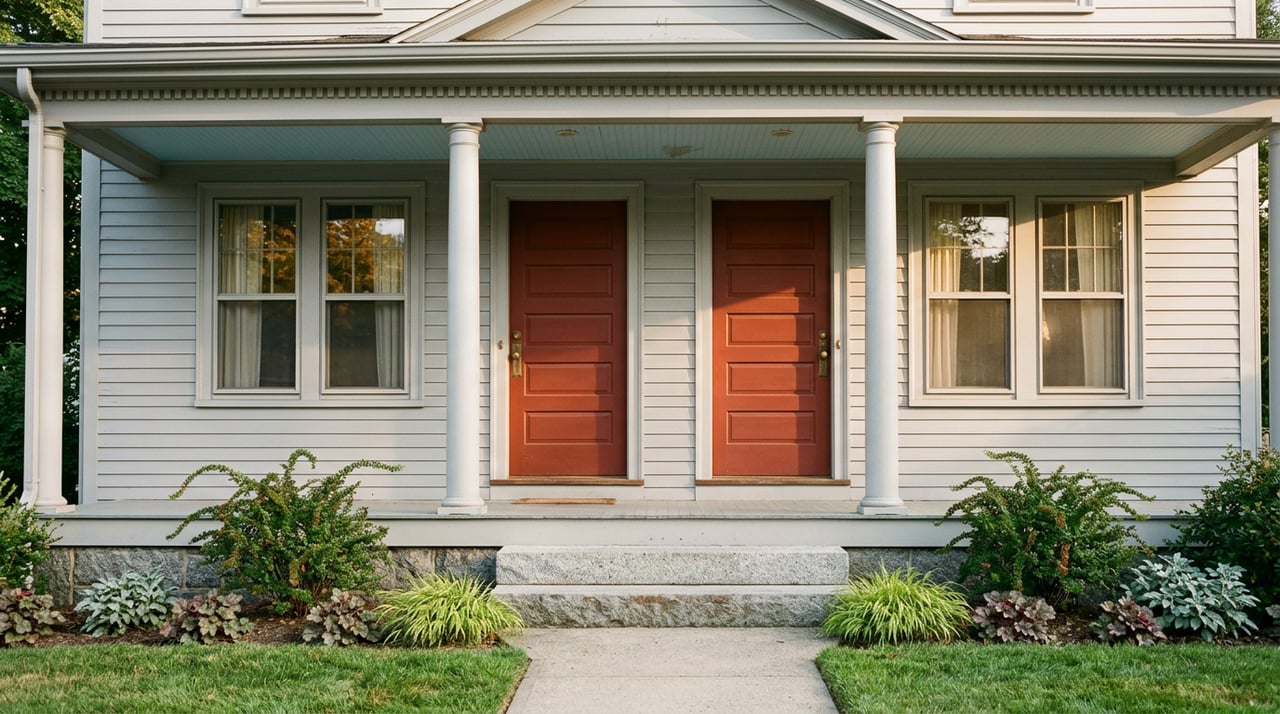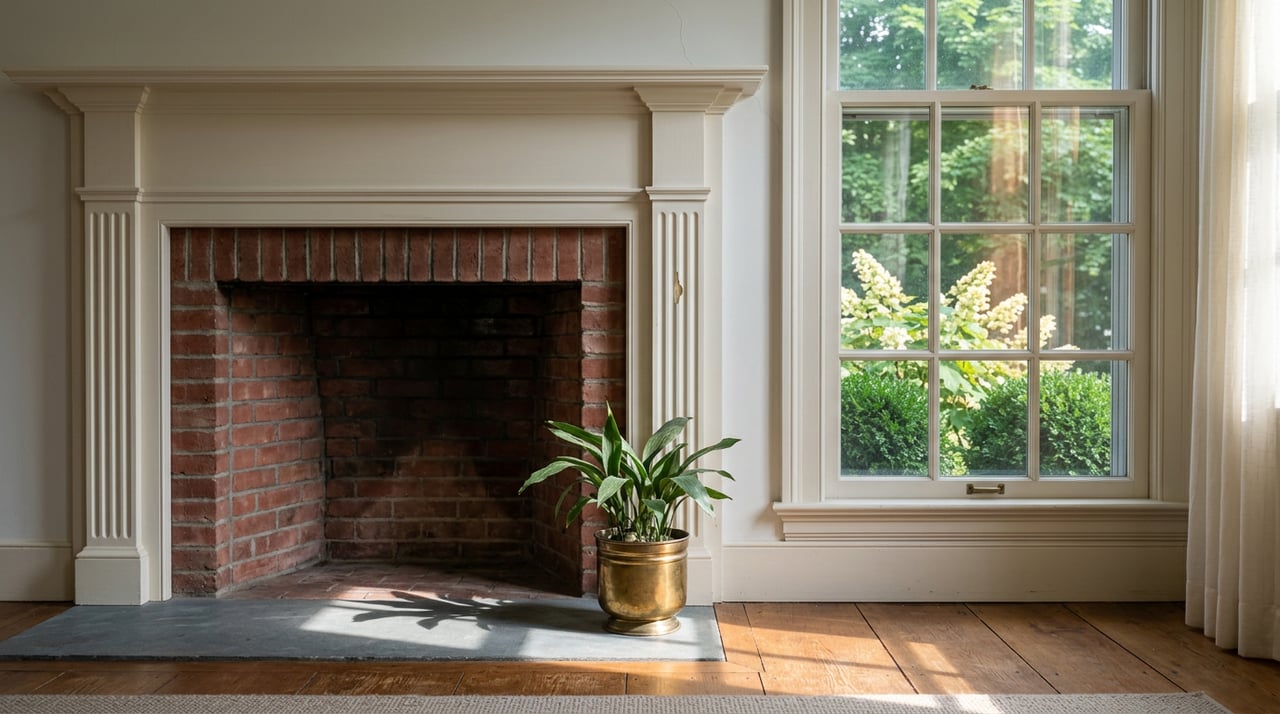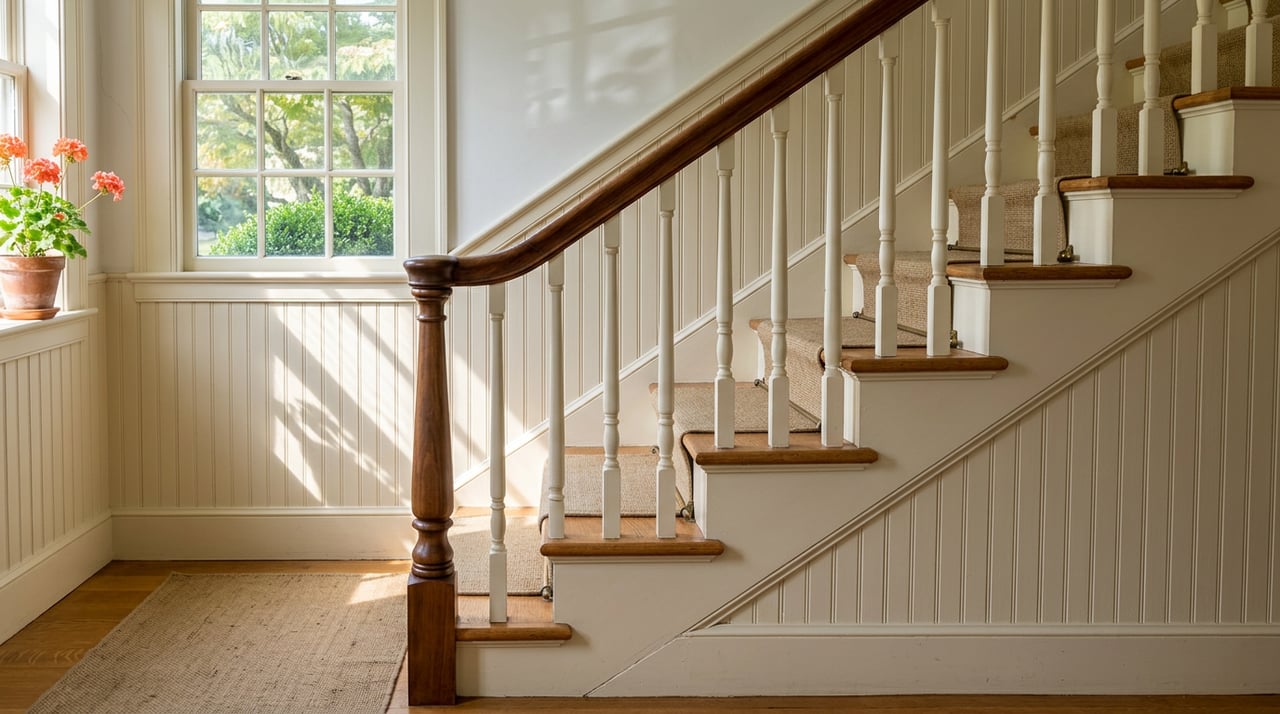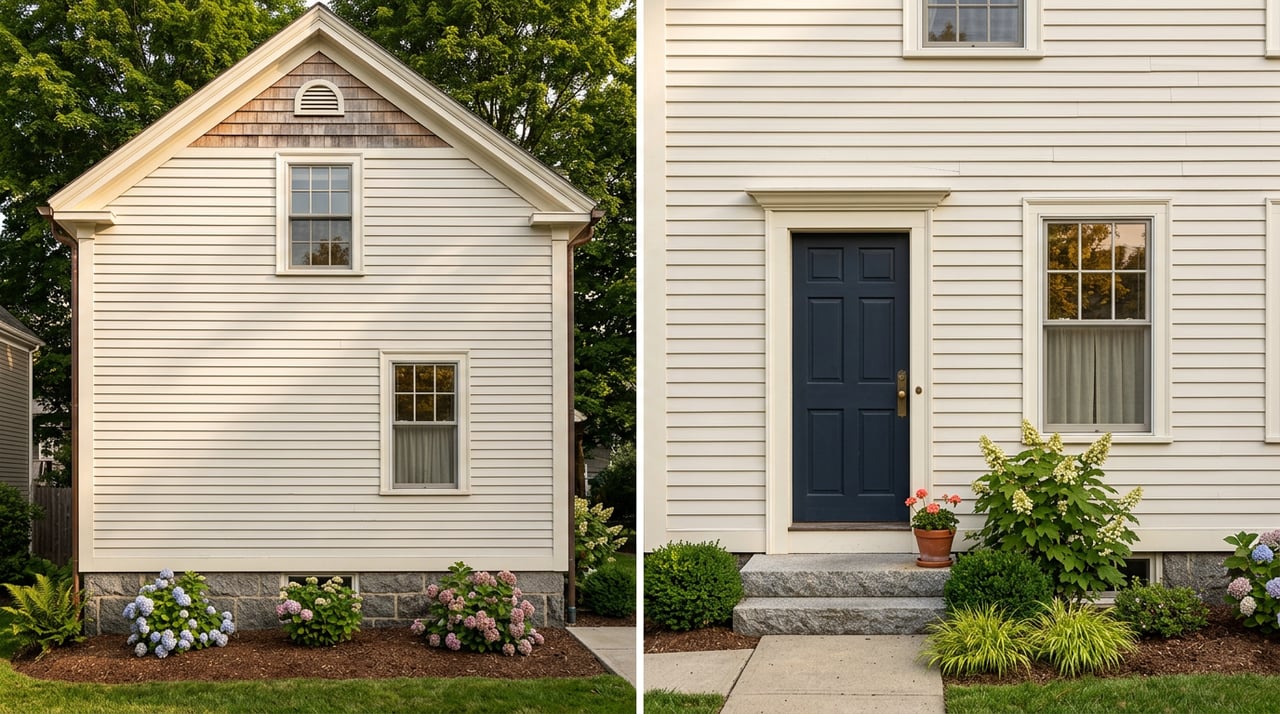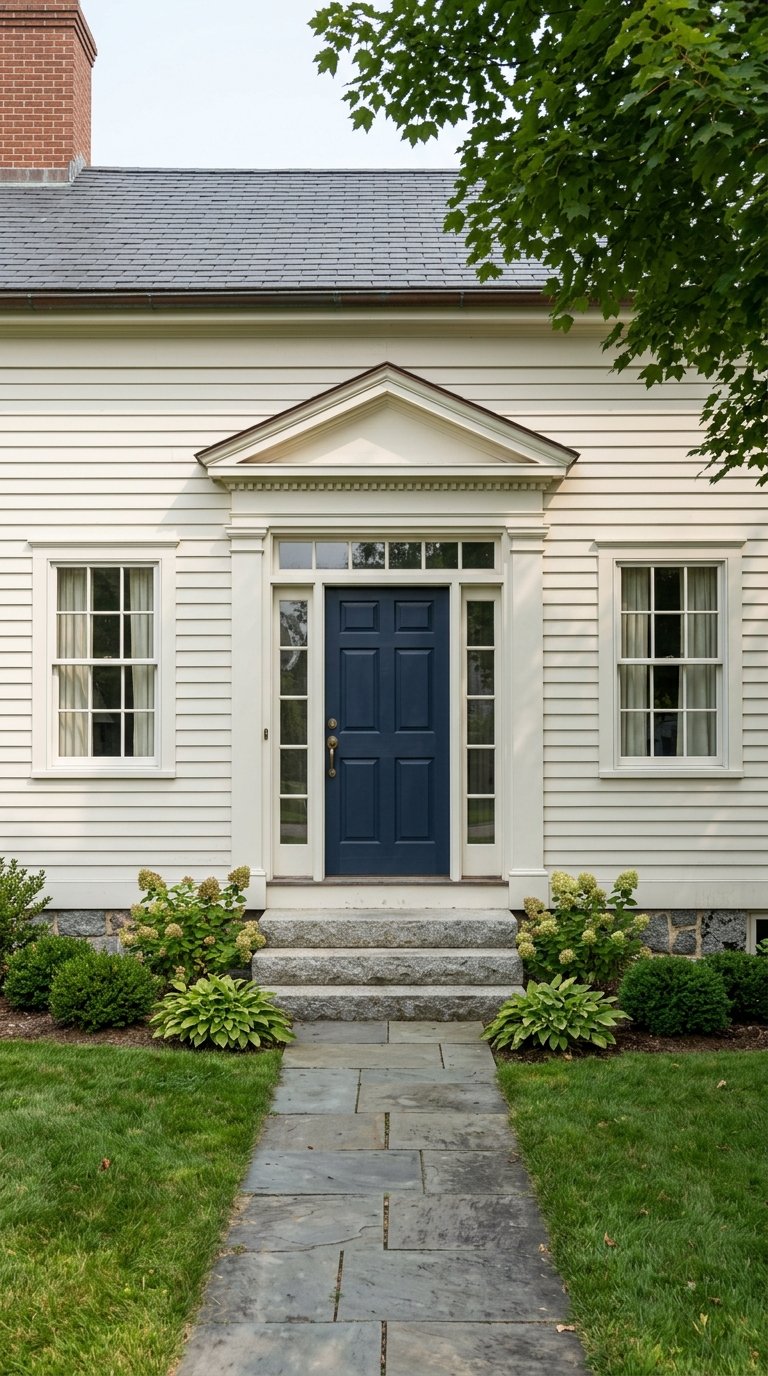
Wondering what makes Lexington feel so distinct from one street to the next? If you are drawn to older homes, period details, and neighborhoods with a real sense of place, Lexington offers more variety than many buyers expect. From colonial-era houses to railroad-era streetscapes and nationally notable mid-century modern enclaves, this guide will help you understand how Lexington’s housing history shapes daily life, buyer decisions, and long-term value. Let’s dive in.
Lexington’s housing story at a glance
Lexington’s residential landscape spans several major eras of growth. The town includes homes tied to its colonial past, later expansion during the railroad building boom of the late 19th and early 20th centuries, postwar suburban development, and a significant collection of mid-century modern neighborhoods.
That depth is not just anecdotal. Lexington notes four National Historic Landmarks associated with the town, four registered historic districts, about 2,000 properties protected through local historic districts, and more than 1,400 historic resources documented since the 1970s. In other words, historic character is not limited to one postcard block. It is woven into the town’s broader residential fabric.
You can also see that long timeline in the homes themselves. The town identifies surviving private residences from the 1700s, including the Sanderson House, Reed Homestead, Fessenden/Bowman Tavern house, Mulliken House, and Mason-Munroe House. That means Lexington’s oldest homes are still part of everyday neighborhood life.
What Lexington’s housing stock looks like now
If you picture Lexington as mostly single-family homes, that is accurate. The town’s 2025 Housing Needs Assessment reports that 82% of housing units are single-family homes, which helps explain the suburban feel many buyers associate with Lexington.
At the same time, the age of the housing stock is quite mixed. About 22% of homes were built before 1940, 24% between 1940 and 1959, 23% between 1960 and 1979, 14% between 1980 and 1999, and 18% in 2000 or later. You are not looking at one single “historic” era here. You are looking at layers.
That mix matters because buyers sometimes assume older means cheaper or less competitive. In Lexington, that is not necessarily true. The same housing report shows pre-1940 homes with a median assessed value around $948,100, while homes built in the 1950s and 1960s were assessed around $1.03 million and $1.14 million, respectively.
The town also reports that two-thirds of single-family homes are assessed at or above $1.2 million. So when you compare homes in Lexington, age alone rarely tells the whole story. Location, lot, architecture, updates, and neighborhood setting all play a major role.
Neighborhood character changes by pocket
One of Lexington’s biggest strengths is that its character changes meaningfully from area to area. If you are home shopping here, it helps to think in terms of neighborhood pockets rather than one broad town-wide identity.
Lexington Center and Battle Green
This is Lexington’s civic and symbolic core. The Battle Green anchors the area, and nearby buildings include house museums, churches, the town library, a visitor center, and public hall uses. Lexington Center also includes shops, restaurants, offices, and banks, giving it the most active and walkable day-to-day feel in town.
The Minuteman Bikeway runs through Lexington Center toward Alewife, which adds to the area’s visibility and movement. If you like being close to everyday conveniences and don’t mind a busier setting with resident and visitor activity, this part of town offers a very different experience from the quieter outer neighborhoods.
East Lexington and Liberty Heights
East Lexington is one of the town’s major historic areas, and Liberty Heights stands out for a more street-oriented layout. The town describes it as one of Lexington’s few grid neighborhoods, with many homes dating to the 1910s and 1920s.
Architecturally, this pocket includes Queen Anne, Colonial Revival, Craftsman, Four-Square, Bungalow, and Dutch Colonial Revival homes, along with later postwar infill. Compared with larger-lot areas, this neighborhood can feel denser and more connected block to block, which some buyers find especially appealing.
Merriam Hill
Merriam Hill is one of the clearest examples of Lexington’s layered architectural history. The town’s survey describes a continuum of styles that includes early Georgian, Greek Revival, Italianate, Queen Anne, Shingle, Colonial Revival, Craftsman, and Bungalow homes.
It is especially notable for its concentration of Colonial Revival architecture. More than 120 buildings in the district are Colonial Revival variants, according to the town survey. If you enjoy neighborhood character that reflects several historical periods at once, Merriam Hill is an important pocket to understand.
Mid-century modern neighborhoods
Lexington is not just about colonial and early 20th-century homes. The town’s planning materials highlight nine mid-century neighborhoods, including Six Moon Hill, Peacock Farm, Five Fields, Middle Ridge and Turning Mill, The Glen at Countryside, The Grove, Rumford Road, Upper Turning Mill, and Pleasant Brook.
These areas are known for wooded settings, site-sensitive development patterns, common land, open plans, large panes of glass, and prefabricated or standardized components. For buyers who want architectural character without traditional period detailing, these neighborhoods offer a very different version of historic interest.
Why age does not equal value in Lexington
In a market like Lexington, buyers often need to recalibrate how they think about older homes. A colonial, a 1920s bungalow, a 1960s house, and a newer rebuild may all compete at high price points depending on condition, design, and setting.
Spring 2026 market trackers point to a high-priced and active market overall. Redfin reported a median sale price of $1.6625 million in March 2026, with homes taking about 16 days to sell and receiving an average of nine offers. Realtor.com reported a March 2026 median listing price of $2.199 million, a 100% sale-to-list ratio, and a median of 23 days on market.
Those figures use different methodologies, so they are not directly interchangeable. But both point in the same direction: Lexington remains expensive and competitive. That makes neighborhood-level context especially important when you evaluate a historic or character-rich home.
Within Lexington, asking prices can vary sharply by area. Realtor.com reported median listing prices of $2.674 million in Lexington Town Center, $2.099 million in North Lexington, $2.139 million in Countryside, and $1.247 million in Follen Heights. That spread is a reminder that style, lot size, updates, and exact location often matter as much as the home’s age.
What buyers should know about historic rules
If you are considering an older home in Lexington, charm is only part of the equation. You also need to understand whether the property is in a local historic district or included on the town’s historic inventory.
Within the four historic districts, the Historic Districts Commission reviews and approves construction, demolition, exterior renovations, color changes, and signs. Outside those districts, the Historical Commission can still hold demolition hearings for properties on the town’s inventory. If a building is found to be significant and preferably preserved, demolition can be delayed for up to 12 months while preservation options are explored.
That does not mean you should avoid older homes. It does mean you should go in with clear expectations. If you are planning exterior changes, expansion, or a major redesign, review status and approval pathways should be part of your due diligence early on.
The town is actively managing change
Lexington is not standing still while older housing stock turns over. The town reports that about 14% of its single-family inventory had been replaced through teardowns over the prior 20 years, a major shift in the look and scale of some streets.
In response, Town Meeting adopted limits on the gross floor area of new single-family homes in 2016 and strengthened those rules in 2023. For buyers and owners, that is useful context. The town is actively trying to preserve neighborhood scale even as redevelopment pressure continues.
This is one reason Lexington can feel balanced rather than frozen in time. You will see preservation, updating, and newer construction all interacting with one another. Understanding that balance can help you make a smarter purchase and set realistic expectations for future changes.
What day-to-day life feels like
Lexington’s appeal is not just architectural. It is also practical. Located about 11 miles northwest of Boston, the town combines a strong civic center with suburban amenities including Cary Library, the community center, recreation programming, public transportation connections to MBTA service, and Lexington Center’s mix of retail, offices, banks, and restaurants.
That combination shapes how different neighborhoods feel. Central areas near Battle Green and Lexington Center tend to be livelier and more visitor-facing, while historic side streets and outer pockets often feel quieter and more residential. If you are deciding between character and convenience, Lexington often gives you a range rather than a single answer.
For many buyers, that is the sweet spot. You can look for a home with architectural personality while still prioritizing commute patterns, trail access, daily errands, or proximity to the town center.
How to evaluate a historic home wisely
A beautiful older home can be easy to fall for at first sight. The key is pairing that emotional pull with a practical review of the property and its setting.
When you compare Lexington homes, it helps to focus on:
- The home’s architectural era and how much original character remains
- The specific neighborhood pocket and its day-to-day feel
- Whether the property sits in a historic district or on the town’s inventory
- The level of updating already completed
- The likely tradeoff between charm, maintenance, and future project flexibility
- How the asking price compares with similar homes in the same micro-location
This is where local context becomes valuable. In Lexington, two homes of the same age can have very different market positions depending on street, lot, condition, and style. A smart decision usually comes from looking beyond the headline category of “historic home.”
Why neighborhood nuance matters when buying or selling
For buyers, Lexington rewards specificity. Instead of asking whether you want a historic home in Lexington, it is often better to ask what kind of historic setting fits your lifestyle best. Do you want walkability near the center, a denser early 20th-century street grid, a layered hill neighborhood, or a wooded mid-century modern enclave?
For sellers, neighborhood nuance helps shape positioning. The strongest presentation often comes from telling the right story about the home’s architecture, setting, and relationship to the surrounding pocket of town. That is especially true for homes with character, where the details buyers notice first can be a major part of the property’s appeal.
If you are trying to make sense of Lexington’s historic homes, neighborhood feel, and pricing tradeoffs, working with someone who can connect market data to the home’s specific story can make the process much clearer. If you want thoughtful guidance on buying or selling in Greater Boston, Corinne Schippert brings local insight, strategy, and a strong eye for character-rich homes.
FAQs
What makes Lexington historic homes unique?
- Lexington’s housing includes surviving colonial-era homes, railroad-era growth, early 20th-century neighborhoods, and nationally notable mid-century modern enclaves, so historic character appears in several very different forms across town.
What should buyers know about Lexington historic districts?
- In Lexington’s four historic districts, the Historic Districts Commission reviews certain exterior changes, demolition, construction, color changes, and signs, and some properties outside those districts may also face demolition review if they are on the town’s historic inventory.
Which Lexington neighborhoods have the most historic character?
- Lexington Center and Battle Green, East Lexington and Liberty Heights, Merriam Hill, and several mid-century modern neighborhoods are all notable, but each has a different architectural story and day-to-day feel.
Are older homes in Lexington less expensive?
- Not necessarily. Lexington’s housing data shows that older homes can still carry high assessed values, and pricing often depends on location, lot, condition, updates, and architectural appeal as much as age.
Is Lexington mostly single-family housing?
- Yes. The town’s 2025 Housing Needs Assessment reports that 82% of housing units in Lexington are single-family homes.
How competitive is the Lexington housing market?
- Spring 2026 data from market trackers pointed to a high-priced, active market, with reported median prices above $1.6 million and relatively short market times, though exact figures vary by source and methodology.