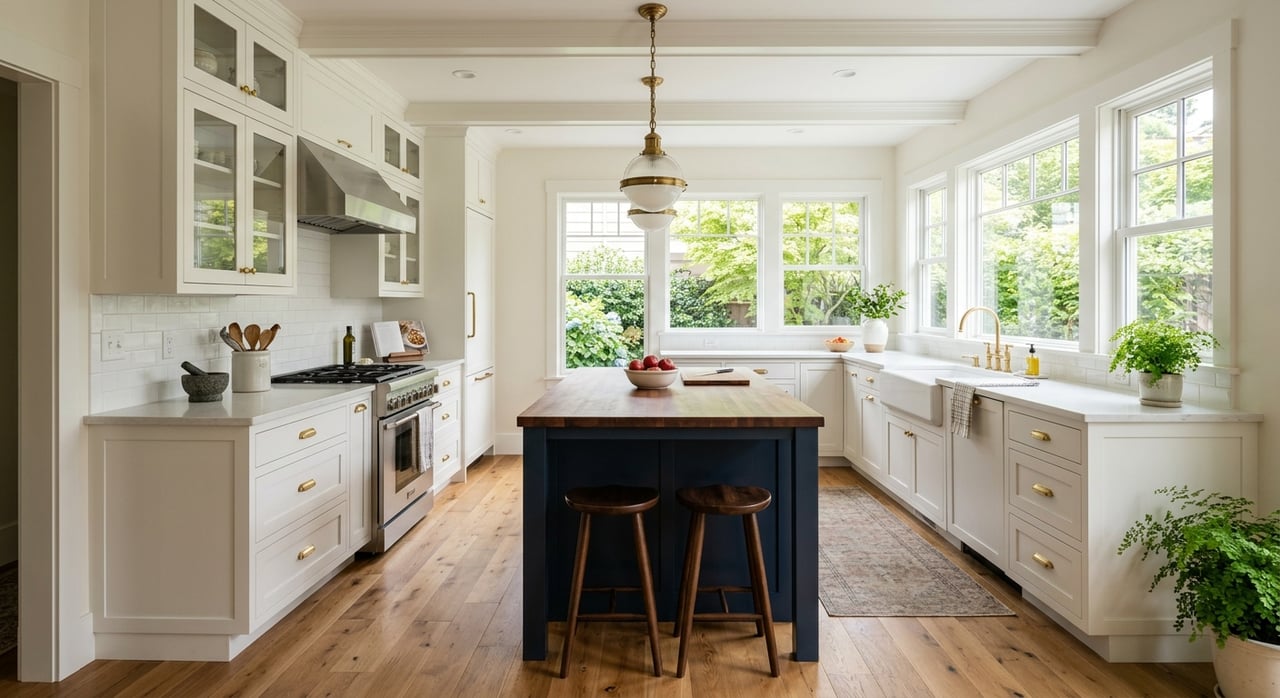
Wondering how to stand out when you sell in Belmont, even in a market where homes can move quickly? That is a smart question, because tight inventory does not mean every listing gets the same result. If you want to protect your price, reduce surprises, and make a strong first impression, you need a plan for pricing, prep, and presentation. Let’s dive in.
Why strategy matters in Belmont
Belmont remains a high-price, low-inventory market, but that does not mean you can simply name a number and wait. Recent market snapshots show homes selling quickly, with data sources reporting roughly 7 to 21 days to pending or sold, a sale-to-list ratio near 99%, and inventory staying very limited.
That environment creates opportunity, but it also raises the bar. Buyers may have fewer choices, yet they are comparing those choices closely. In a town where listings can attract strong interest, the homes that perform best are usually the ones that feel well priced, well prepared, and easy to understand from the moment they hit the market.
Price for your Belmont micro-market
Belmont is not one uniform market. Housing types, lot sizes, ages, and price points vary widely across town, and neighborhood-level asking prices can look very different from one area to another. A broad town average may be interesting, but it is rarely enough to price your home well.
That is why your pricing strategy should start with recent closed sales that truly resemble your home. The best comps usually share the same micro-area, property type, size range, age, and general condition. In Belmont, that level of detail matters because a detached single-family near one part of town may compete with a very different buyer pool than a two-family or condo elsewhere.
Closed sales matter more than wishful pricing
One of the biggest pricing mistakes is leaning too heavily on active listings or online estimates. Those can provide context, but they are not proof of what buyers have actually agreed to pay. Closed sales show the real market response.
In Belmont, that distinction matters because asking prices and closed-sale medians do not always line up neatly. If you price from aspiration instead of evidence, you risk missing the strongest early window of buyer attention. A data-backed list price is often the foundation for better momentum.
What to compare before setting price
Before choosing a list price, focus on comps that help explain how buyers are likely to see your home against the competition. Key factors include:
- Recent closed sale price
- Days on market
- Property type
- Lot size
- Age of the home
- Condition and updates
- Layout and usable space
- Micro-location within Belmont
A careful pricing review should also account for details that affect buyer perception right away, such as a dated kitchen, a finished lower level, or a layout that is harder to understand online.
Belmont housing stock needs smart prep
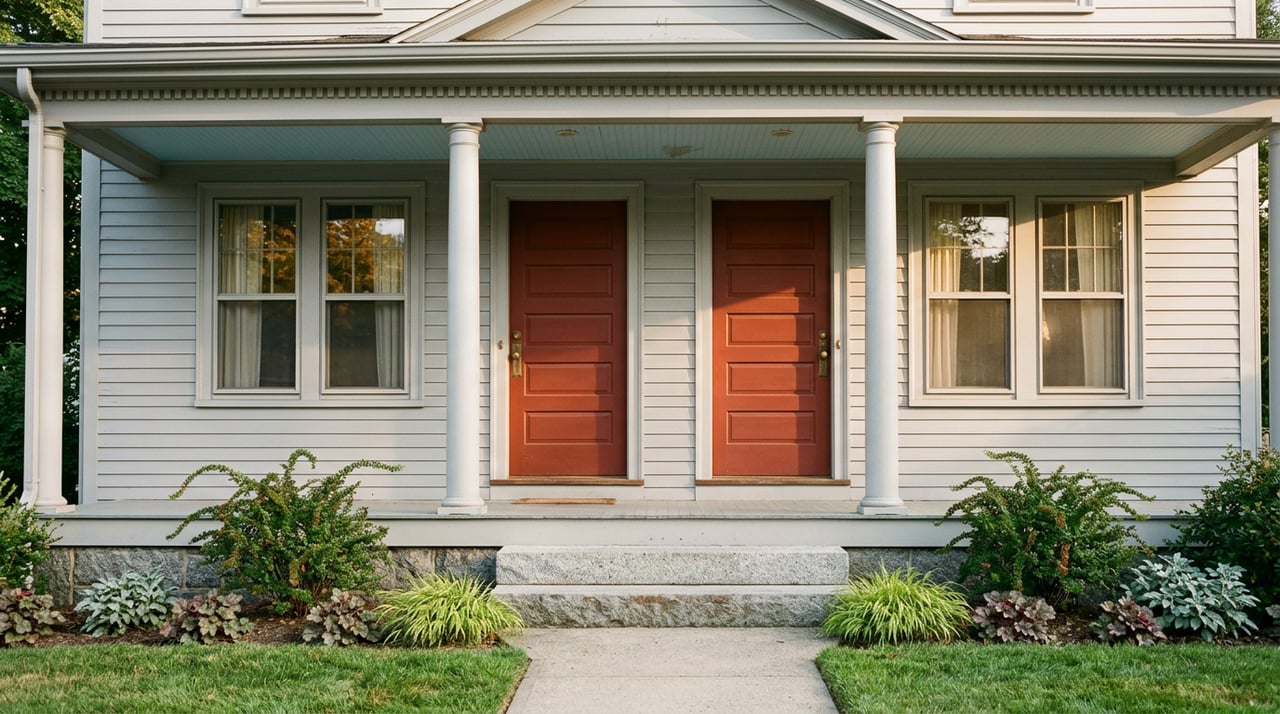
Belmont’s housing stock is older and varied. Town data shows that 60.7% of housing units were built in 1939 or earlier, and the mix includes single-family homes, two-family buildings, and smaller multifamily properties. That means many sellers are not preparing blank-slate new construction. They are preparing homes with character, history, and sometimes a few quirks.
That is not a disadvantage when handled well. In fact, older homes often connect strongly with buyers when the condition is clear and the presentation feels polished. The goal is usually not a major overhaul. It is thoughtful preparation that helps buyers focus on what is appealing instead of what feels uncertain.
Focus on targeted improvements
Seller prep is often most effective when it starts 60 to 90 days before listing. Research shows many sellers complete at least one improvement project before going to market, and that timeline makes sense in Belmont if you want enough room to plan repairs, refresh key spaces, and coordinate photography.
For many Belmont homes, targeted work can make more sense than broad renovation. Priorities often include:
- Fixing visible maintenance issues
- Deep cleaning the entire home
- Decluttering surfaces and storage areas
- Refreshing paint where needed
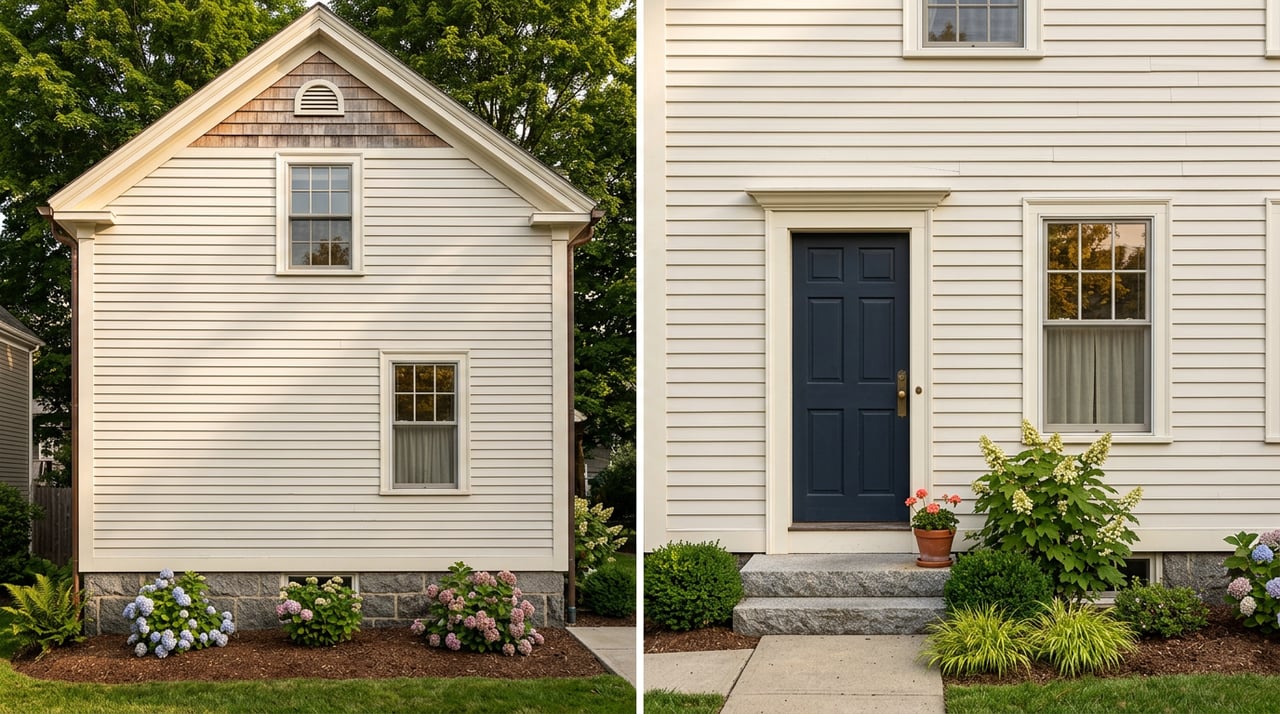
- Improving curb appeal
- Simplifying rooms so they feel more spacious and functional
This kind of prep helps buyers read the home more confidently. It also supports stronger marketing materials, which matter more than ever.
Presentation drives first impressions
Most buyers begin online, and many find the home they purchase there. Research shows that photos, detailed property information, and floor plans are among the most useful listing features for buyers using the internet. That is especially important in Belmont, where older homes and mixed housing types can have layouts that are not obvious from photos alone.
Your listing should answer buyers’ basic questions before they ever schedule a showing. What does the home feel like? How does the layout flow? What has been updated? What makes this property different from the next one they will see?
Why floor plans matter in Belmont
In a town with colonials, capes, conversions, and multifamily properties, a floor plan can do a lot of work. Buyers may love the character in photos but still struggle to understand how rooms connect or how usable the square footage feels.
That is why floor plans can be especially helpful in Belmont. They make the home easier to understand, which can help serious buyers decide to take the next step. When a layout is clear online, showings often become more productive.
Staging the rooms that count most
Staging does not have to mean making your home look artificial. It means helping buyers picture the space clearly. Recent research found that staging helps buyers visualize the property as a future home, and the rooms buyers’ agents most often identified as important to stage were the living room, primary bedroom, and kitchen.
If you are deciding where to focus time and budget, start there. Those spaces tend to shape how buyers remember the home. A calm, clean, coordinated look can go a long way without feeling overdone.
Media quality affects buyer response
Buyers also bring polished expectations to online listings. Research shows many expect homes to look as put together as the ones they see in media and are disappointed when they do not. That does not mean your home needs to feel staged for television. It means the presentation should feel intentional.
Professional photography, video, floor plans, 3D tours, and selective drone imagery can help tell the story of a Belmont property more clearly. For sellers, this matters because strong visual marketing is not just decoration. It is part of how buyers decide whether your home feels worth prioritizing.
Timing your sale in Belmont
If you are hoping to sell in the spring market, timing your prep matters almost as much as timing your launch. Seasonal analysis points to late spring, especially the second half of May in the Boston area, as a strong listing window. But that window only helps if your home is ready.
A late-May debut usually requires work to begin much earlier. If you wait until the weather improves to start planning, you may feel rushed on repairs, cleaning, staging, and media. Working backward by 60 to 90 days gives you a better chance to make thoughtful decisions instead of fast ones.
A simple pre-listing timeline
Here is a practical way to think about the process:
| Timeframe | Focus |
|---|---|
| 60 to 90 days before listing | Review pricing strategy, identify repairs, plan improvements |
| 30 to 45 days before listing | Complete cleaning, paint touch-ups, decluttering, curb appeal work |
| 2 to 3 weeks before listing | Final staging, photography, video, floor plans, listing preparation |
| Listing week | Launch with polished marketing and clear pricing |
This kind of structure can reduce last-minute stress and help your home come to market looking consistent from top to bottom.
Handle Massachusetts sale items early
Because many Belmont homes are older, it is also wise to take care of required sale-related items early in the process. Massachusetts requires lead-paint notification for homes built before 1978. The state also requires a smoke and carbon monoxide certificate of compliance for sale or transfer.
These items are not what sell the home, but they can affect your timeline if left too late. Taking care of them early helps the transaction move more smoothly once you have a buyer.
The strongest Belmont selling approach
In Belmont, the best results usually come from a simple but disciplined formula: accurate pricing, focused preparation, and polished presentation. Limited inventory can help, but it is not a substitute for strategy. Buyers still notice condition, layout, and value immediately.
When your home is priced from real comps, prepared with intention, and presented clearly online, you give buyers fewer reasons to hesitate. That is often what turns interest into strong showings, stronger offers, and a smoother path from listing to closing.
If you are thinking about selling in Belmont and want a plan tailored to your home, your timing, and your goals, Corinne Schippert can help you build a smart path to market.
FAQs
How should you price a home in Belmont, MA?
- Start with recent closed sales that closely match your home’s location, property type, size, age, and condition, rather than relying mainly on active listings or online estimates.
When should you start preparing a Belmont home for sale?
- A good rule of thumb is 60 to 90 days before listing, especially if you want time for repairs, decluttering, cleaning, staging, and professional marketing media.
What home improvements matter most before selling in Belmont?
- Targeted updates often have the most impact, including visible repairs, deep cleaning, paint refreshes, decluttering, and curb appeal improvements that help the home feel move-in ready.
Why are floor plans helpful for Belmont listings?
- Belmont has many older and varied home layouts, so floor plans can help buyers understand room flow and usable space more quickly when they view the listing online.
What are the key Massachusetts compliance items for older Belmont homes?
- Sellers should handle lead-paint notification for homes built before 1978 and arrange the required smoke and carbon monoxide certificate of compliance early to avoid delays.