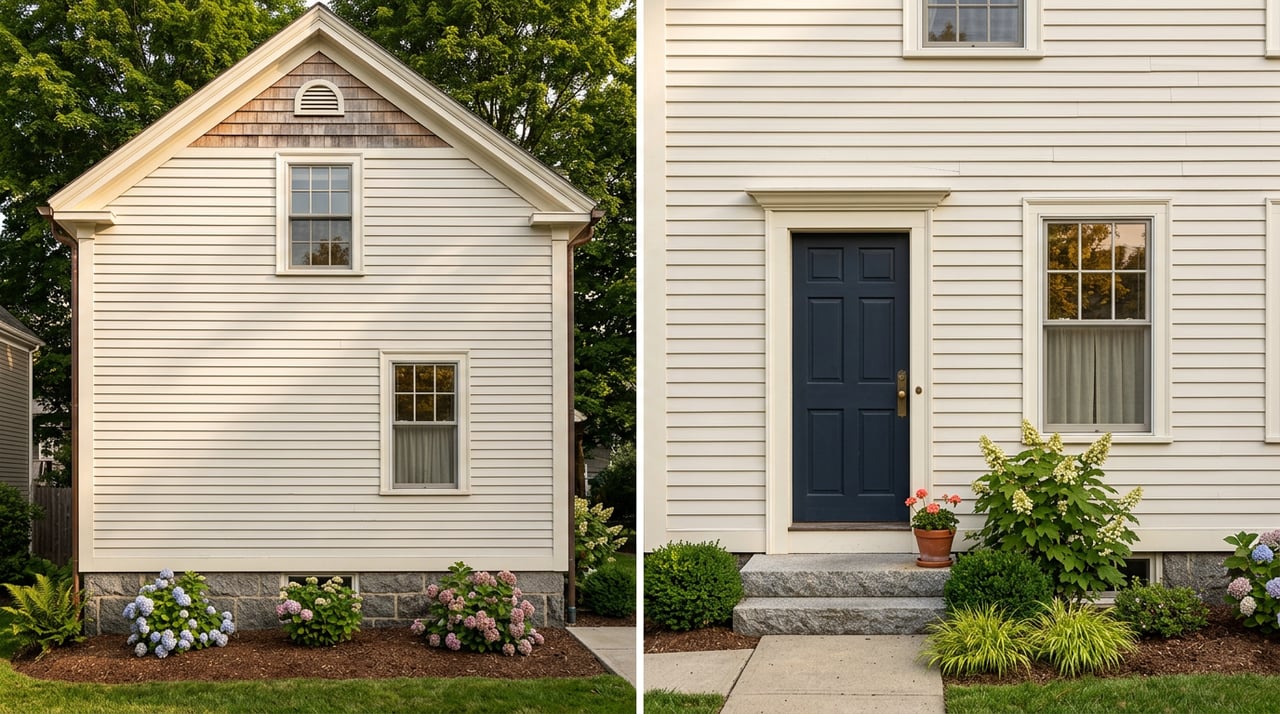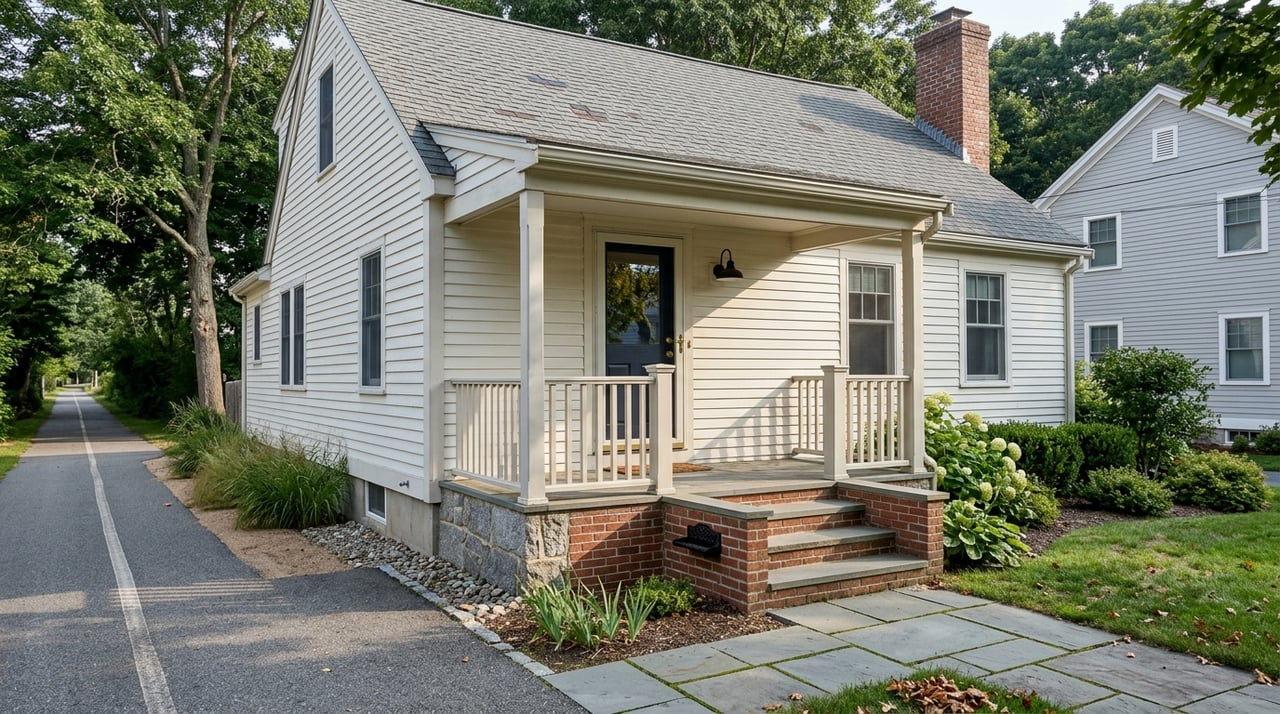
If you are looking for a home in Arlington, living near the Minuteman Bikeway can change the way your whole week feels. It is not just a place to ride on a sunny Saturday. For many residents, it is part of the daily routine for getting around, grabbing coffee, fitting in exercise, and connecting to transit. If you want a clearer picture of what that lifestyle actually looks like, this guide will walk you through it. Let’s dive in.
The bikeway shapes daily life
The Minuteman Bikeway is a 10-mile paved multi-use trail that runs from Alewife Station in Cambridge to Bedford, passing through Arlington and Lexington. In Arlington, it cuts through some of the town’s most active areas, including Arlington Center and the Cultural District. That means it often feels less like a recreational trail and more like a practical corridor woven into everyday life.
If you live nearby, you may use it for much more than exercise. Official trail information lists biking, walking, running, inline skating, commuting, and even cross-country skiing as common uses. The trail is also plowed in winter, which helps support year-round use rather than just seasonal activity.
Getting around is easier
One of the biggest draws of living along the bikeway is how it connects you to other parts of the region. Arlington’s transportation information notes that the trail provides bike and pedestrian access from East Arlington to Alewife Station. From there, you can connect to the Red Line and bus service.
Arlington is also served by multiple bus routes linking the town to Cambridge, Boston, Lexington, Bedford, Burlington, Somerville, and Waltham. For some residents, that makes it possible to rely less on a car for certain trips. Even if you still drive, bikeway access can make your day-to-day routine feel more flexible.
What that can look like
A home near the bikeway can make simple outings feel more convenient:
- A morning walk or ride before work
- A bike trip to Alewife for transit access
- A quick stop for coffee or takeout in Arlington Center
- An afternoon walk to a nearby park
- An evening errand without needing to move the car
That mix of movement and convenience is a big part of the appeal.
Arlington’s trail-side areas feel connected
One of the most distinctive things about this part of Arlington is how the bikeway ties together a series of active, walkable nodes. Instead of centering daily life around one isolated commercial strip, the town’s trail and Mass Ave corridor connect several business districts and gathering places.
Arlington Center is the town’s central business district and the western part of the Cultural District. The town describes it as home to dozens of restaurants, local retailers, two museums, and the Regent Theatre. If you live nearby, you are close to a steady rhythm of errands, dining, and community activity.
East Arlington has a different but equally connected feel. The town describes it as an arts-and-culture hub, with the Cultural District stretching along Massachusetts Avenue from Capitol Square to the Civic Block in Arlington Center. The bikeway runs parallel to Mass Ave in this area and is surrounded by dense residential neighborhoods, which adds to that close-to-everything feel.
Arlington Heights is also near the bikeway and includes family-owned businesses such as restaurants, a cafe, a deli, and specialty retailers. Depending on where you live, each of these areas offers a slightly different version of the same core benefit: convenient access to local businesses and daily essentials.
Coffee, errands, and local stops are part of the routine
When people picture life near the Minuteman Bikeway, they often imagine a more active lifestyle. That is true, but it is also about convenience in a very practical sense. Official Arlington dining and shopping resources show a strong cluster of cafes, bakeries, and casual dining options near the corridor.
Listings near the bikeway include places such as Barismo, Butternut Bakehouse, Common Ground, Kickstand Cafe, Roasted Granola, Thrive Juice Cafe, and Tatte Bakery & Cafe. Arlington Center, which sits at the heart of the trail, also has two Bluebikes stations. East Arlington is about a quarter-mile from the bikeway and offers restaurants, galleries, arts-focused retailers, and the Capitol Theatre nearby.
That kind of layout supports a lifestyle where you can combine multiple small trips into one outing. You might head out for coffee, pick up a few essentials, get in a walk, and be back home quickly. For many buyers, that ease is just as important as square footage.
Parks and open space add to the appeal
The bikeway does not stand alone. It connects into a wider network of parks, outdoor areas, and historic sites that give this part of Arlington more texture and variety.
Visit Arlington notes that the bikeway passes through the historic area where the American Revolution began in 1775. It is also convenient to Arlington 250 sites including the Cyrus Dallin House Museum, Samuel Whittemore Park, the Jason Russell House, and the Old Burying Ground. If local history matters to you, that sense of place is part of the experience.
Outdoor access is another major benefit. Town and visitor resources connect the bikeway to places such as Spy Pond Park, Menotomy Rocks Park, Robbins Farm Park, Magnolia Park and Thorndike Field, and outdoor space connected to the Arlington Reservoir area.
A few nearby outdoor highlights
- Spy Pond Park: playground, boat ramp, picnic area, and bikeway access
- Magnolia Park and Thorndike Field: a newly renovated park just off the trail in East Arlington
- Menotomy Rocks Park: part of the broader open-space network linked to bikeway living
- Robbins Farm Park: another nearby option for outdoor time and views of open space
For buyers who want both neighborhood energy and easy outdoor access, this balance is a big reason the area stands out.
Housing near the bikeway is varied
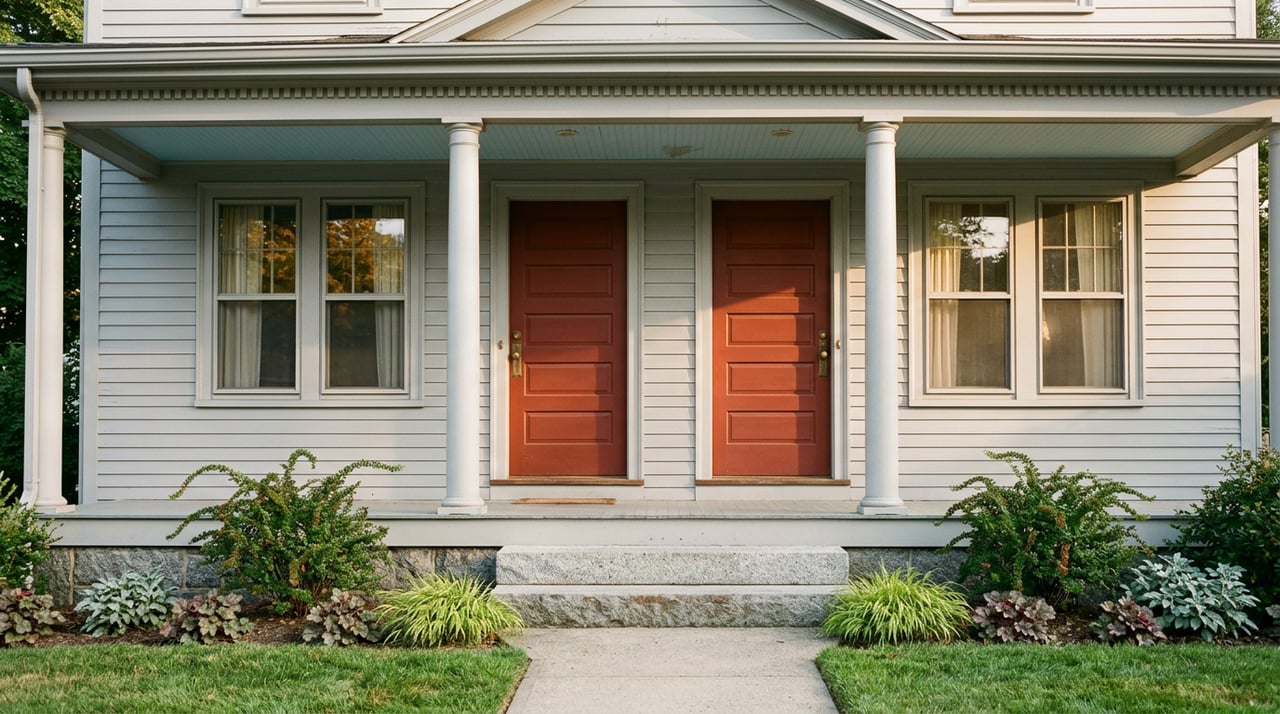
If you are starting a home search here, it helps to know that the housing stock near the bikeway is not one-size-fits-all. Arlington’s master plan describes the town as having a notably diverse mix of housing types.
In that planning snapshot, single-family homes made up less than half of all housing units. Two-family and small multifamily homes accounted for almost one-third, while mid-size apartment buildings made up about one-fifth. The plan also notes that historic mixed-use buildings are especially common around East Arlington and Arlington Center.
That means your options near the bikeway may include:
- Single-family homes
- Condos
- Two-family homes
- Three-family homes
- Small multifamily buildings
- Mixed-use buildings in more central areas
Arlington also added 959 condominium units between 2003 and 2014, much of that through two-family home conversions. So if you are comparing neighborhoods along the bikeway, you will likely see a mix of older homes, conversions, condos, and some larger residential buildings depending on the specific location.
Costs are high, so priorities matter
Arlington remains a high-cost inner suburb, and that matters when you are weighing whether bikeway access is worth prioritizing. Current Census data show a median owner-occupied home value of $933,800 and a median gross rent of $2,082. The owner-occupied housing rate is 61.6 percent.
Those numbers help explain why buyers and renters often think carefully about tradeoffs here. You may not get every feature on your wish list, so it helps to decide early what matters most. For some people, direct or close bikeway access is a meaningful quality-of-life feature that justifies focusing their search.
Arlington also has a population of 46,308, a population density of 9,004.1 people per square mile, and a mean travel time to work of 32.2 minutes. In a community with that density and commuting pattern, a trail that supports movement, exercise, and transit access can have a real impact on daily life.
Can you live here with less car dependence?
Many buyers ask this early in the search, and the answer depends on your routine. Based on Arlington’s trail and transportation resources, you can reach a lot by combining the bikeway, local bus routes, and Alewife access.
That does not mean every household will want to go car-free. But it does mean that living near the trail can open up more options for commuting, errands, and recreation. Even reducing a few short car trips each week can make a noticeable difference in how convenient your neighborhood feels.
What living here feels like overall
The clearest way to describe life along the Minuteman Bikeway in Arlington is this: it is as much a lifestyle choice as a housing choice. You are not just picking a home. You are choosing a pattern of daily life built around connected business districts, local parks, transit access, and a trail that people use year-round.
For some buyers, that means easier commutes and more movement built into the day. For others, it means being close to coffee shops, restaurants, historic sites, and open space without needing to plan every outing around parking. If that mix sounds like the way you want to live, focusing your search near the bikeway may be well worth it.
If you want help sorting through Arlington neighborhoods, housing types, and the tradeoffs that come with this market, Corinne Schippert can help you build a smart, local strategy.
FAQs
What is the Minuteman Bikeway in Arlington used for?
- The Minuteman Bikeway is a paved multi-use trail used for biking, walking, running, commuting, inline skating, and cross-country skiing.
Does the Minuteman Bikeway connect Arlington to transit?
- Yes. The trail connects Arlington to Alewife Station in Cambridge, where you can access the Red Line and bus service.
What neighborhoods in Arlington are near the Minuteman Bikeway?
- The bikeway runs through or near East Arlington, Arlington Center, and Arlington Heights.
What kinds of homes are near the Minuteman Bikeway in Arlington?
- Housing near the bikeway is mixed and may include single-family homes, condos, two-family homes, small multifamily buildings, and some mixed-use properties.
Is living near the Minuteman Bikeway in Arlington expensive?
- Arlington is a high-cost market, with Census data showing a median owner-occupied home value of $933,800 and a median gross rent of $2,082.
Are there parks near the Minuteman Bikeway in Arlington?
- Yes. Nearby options include Spy Pond Park, Menotomy Rocks Park, Robbins Farm Park, Magnolia Park and Thorndike Field, plus outdoor space near the Arlington Reservoir area.