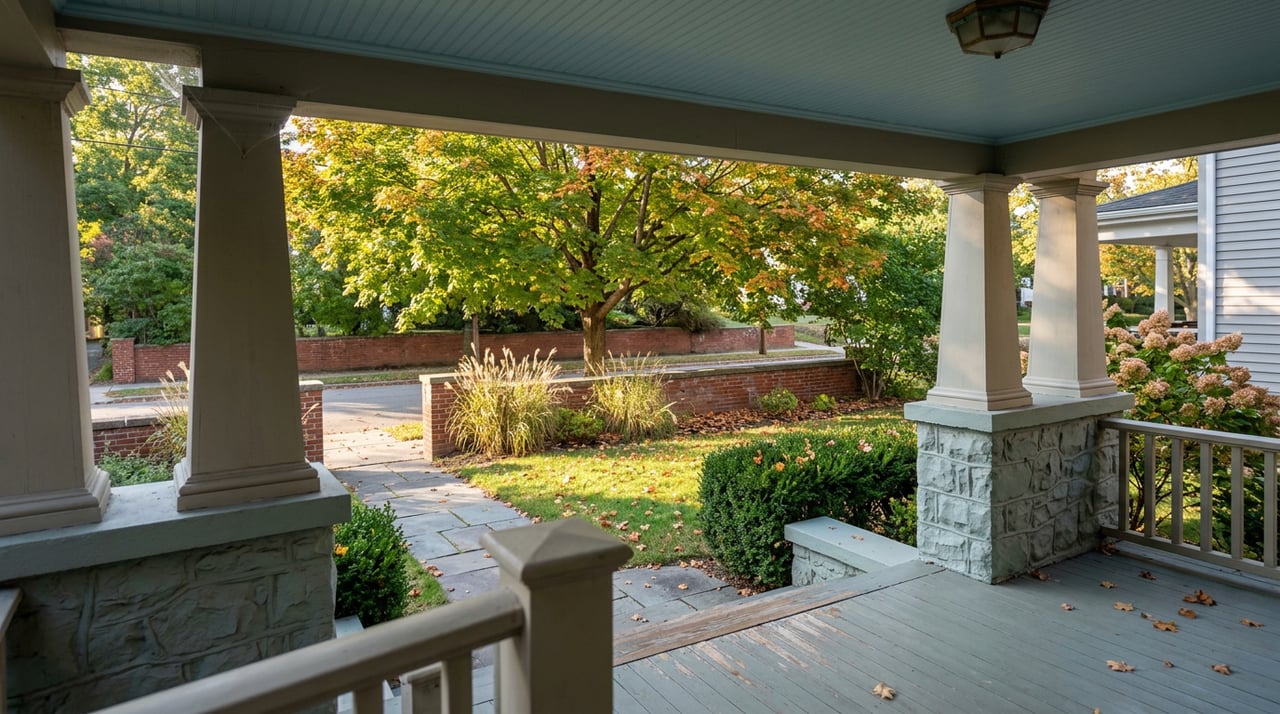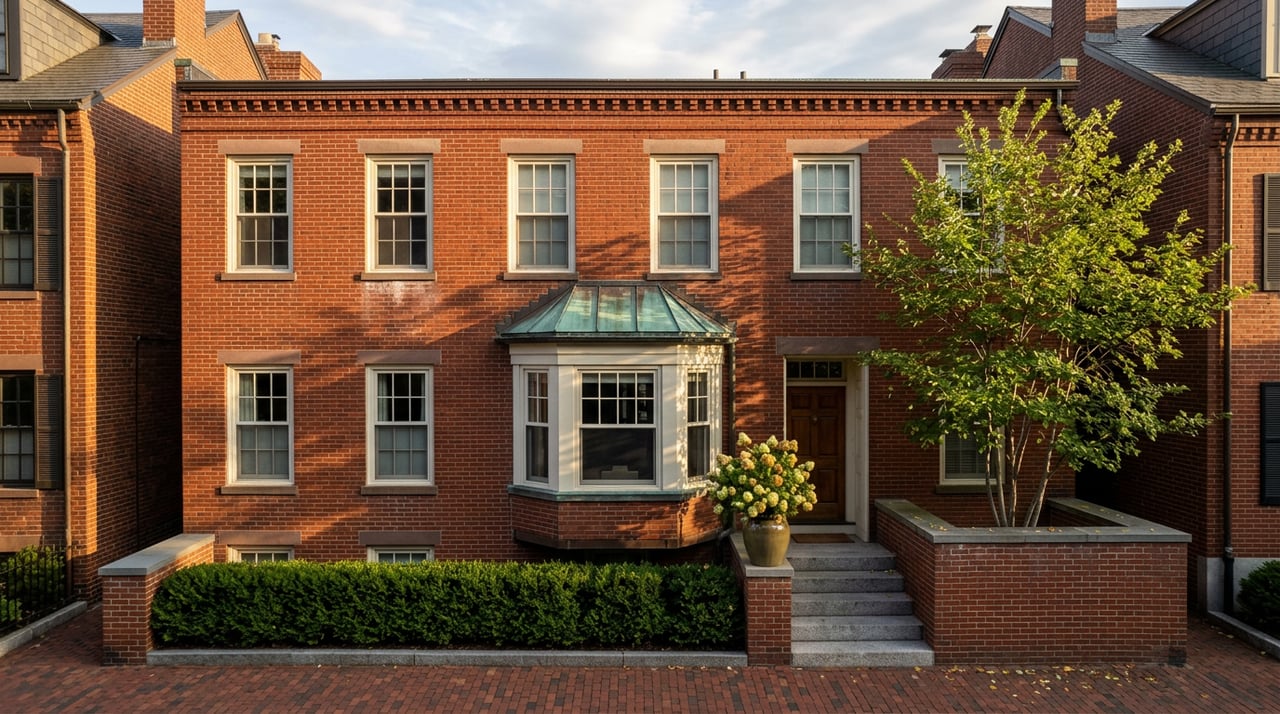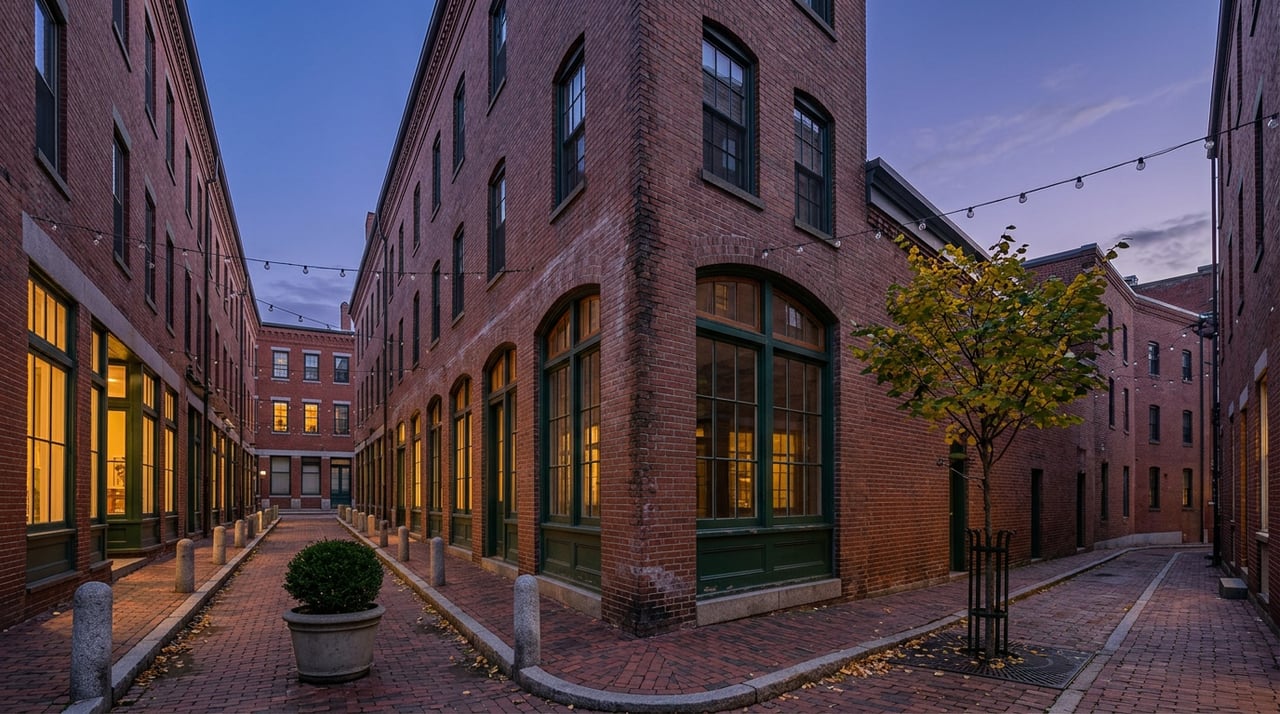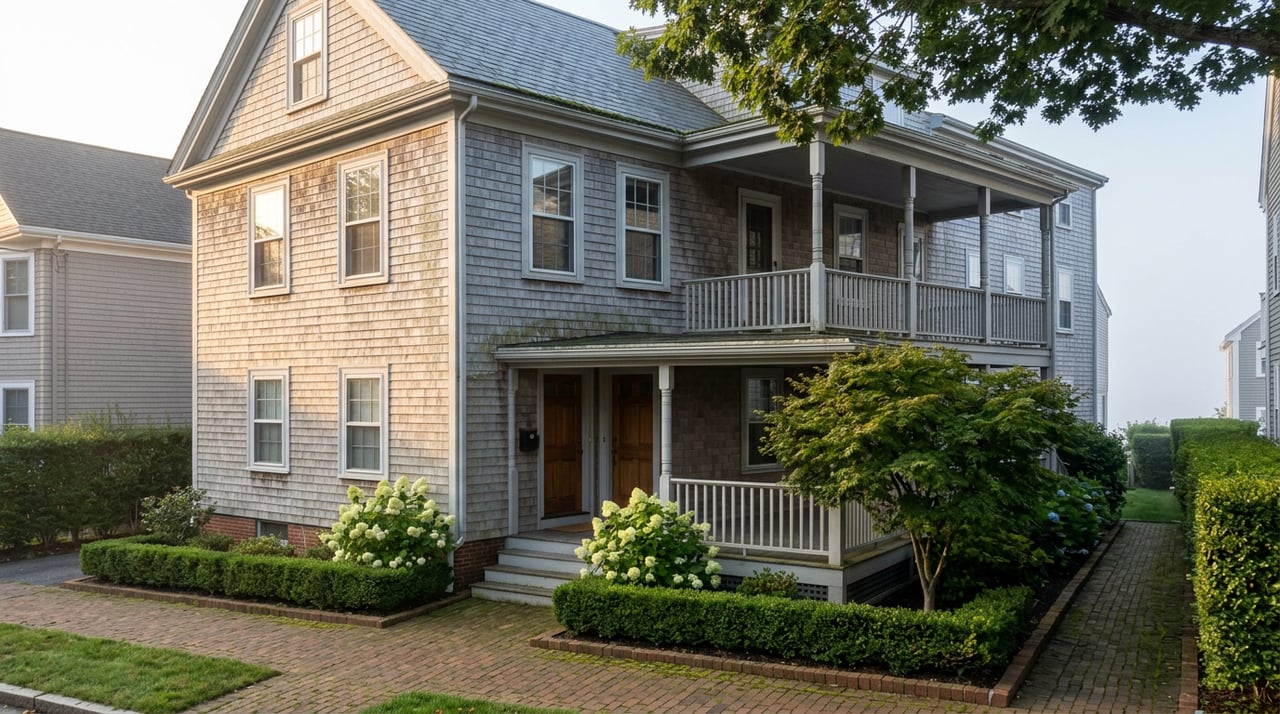
If you own a two- or three-family house in Cambridgeport, The Port, Riverside, or North Cambridge, you have probably opened a letter in the last year that wasn't from a neighbor. An investor or development group, offering to buy your building, sometimes before you've thought seriously about selling at all. That outreach isn't random. It's the direct result of a zoning vote that's now about nineteen months old, and the number in that letter is built on assumptions about your lot that are, as of this writing, actively being renegotiated at City Hall.
Here's the part most owners miss: the offer you're holding isn't just a bid on your house. It's a bet on what your lot will be legally allowed to become, and that legal picture is not settled. It's mid-revision, right now, in ways that could change the math before any deal you sign actually closes.
What changed on February 10, 2025, and why it moved the price
On February 10, 2025, the Cambridge City Council voted 8-1 to end single- and two-family zoning citywide, folding what had been separate Residence A-1, A-2, B, and C districts into a single Residence C-1 designation. Under the new rules, four-story residential buildings can be constructed by right anywhere in the city, meaning no special permit and no discretionary design review. On lots of 5,000 square feet or more, that goes up to six stories, provided 20 percent of the residential floor area is set aside as permanently affordable housing. Separately, any building with ten or more units, regardless of height, must reserve one in five units as affordable.
Councilors Burhan Azeem and Sumbul Siddiqui led the push, with Catherine Zusy casting the lone dissenting vote. The city's own reporting on the change is straightforward about the goal: unlock multifamily construction in the roughly one-third of Cambridge where it had been prohibited outright, and do it without requiring owners to go through a variance process that most projects couldn't survive.
For an owner of an older triple-decker, that's the mechanism worth understanding. Before February 2025, a developer looking at your lot had to clear a special permit, which meant public hearings, neighborhood input, and real uncertainty about whether the project would ever get approved. After February 2025, a compliant four-story project on the same lot is a matter of pulling a building permit. That removes the single biggest source of risk and delay a developer used to price into an offer. Less risk to a buyer generally means a higher number on the table for you.
What the price data is actually telling sellers
Market reporting on Cambridge's 2025 sales shows the multifamily segment moved the most. The median sale price for multifamily properties rose by roughly $400,000 during the year, landing near $2.165 million, with the average multifamily sale price climbing to about $2.6 million. That's not a citywide trend lifting every property type evenly. Single-family and condo pricing moved on their own separate track. The jump is concentrated almost entirely in the property type the zoning change was written for.
That's worth sitting with. A rising median in a specific asset class, right after the legal rules governing that asset class changed, is not a coincidence you need outside statistics to interpret. It's the market pricing in redevelopment potential that didn't legally exist before. Your triple-decker's value today isn't just what it's worth as a triple-decker. It's partly what it's worth as a four-story (or six-story) lot, and that second number is doing a lot of the lifting in any offer you receive.
The rules are being rewritten again, right now
This is where most of what you'll read about Cambridge's upzoning stops, and where the actual friction for sellers begins.
The February 2025 ordinance was never treated as finished business. By this spring, the same debate that produced it was already back on the council's agenda. On April 7, 2026, the Neighborhood and Long-Term Planning Committee, chaired by Cathie Zusy, held a hearing specifically to examine problems that had surfaced since the ordinance took effect, including a rise in demolitions of existing multifamily housing. On June 29, 2026, the city's Community Development Department followed with a formal recommendation: increase the required setbacks on new buildings, raise the amount of ground-level permeable green space, and cap average unit size at 2,000 square feet, aimed squarely at curbing the kind of oversized, higher-end units that critics argue the original ordinance was producing instead of the smaller, more affordable units it promised.
At the same time, a separate resident-led effort is moving on its own track. A West Cambridge property owner filed a citizen zoning petition with the city clerk on June 3, 2026, proposing changes of its own. Under Massachusetts procedure, that kind of petition temporarily functions as de facto law while it waits for a public hearing before the Ordinance Committee. As of the petition's filing in early June 2026, that hearing had not yet been scheduled.
None of this has been finalized. But none of it is theoretical either. It means the buildable envelope your developer buyer is underwriting today, wider lot coverage, no cap on unit size, minimal setbacks, is not guaranteed to be the envelope that exists by the time a project actually pulls permits. If the CDD's recommendations move forward, the same lot could yield fewer, smaller, or differently arranged units than a developer's current offer assumes.
What that means if you're holding an offer
This doesn't mean the zoning reform is bad for sellers of multifamily property. It clearly is not. It means the size of the benefit depends on details that are easy to skip past in a fast-moving conversation with a buyer who wants to close before anything changes.
A few things worth confirming before you sign anything:
- Is your lot at or above 5,000 square feet? That threshold is the line between four-story by-right construction and the six-story, 20-percent-affordable option. It's also the line the pending amendments are not proposing to move. Owners of smaller in-fill lots are more exposed to a shrinking buildable envelope if the setback and unit-size changes pass, since there's less room on a small lot to absorb a bigger setback requirement.
- What is the offer actually contingent on? A letter of intent priced against today's ordinance text should say so, and should specify what happens to the number if the zoning the project depends on changes before closing.
- Has the buyer verified buildable square footage under the current rules, or is the number a rough estimate based on the headline "four stories by right"? As-of-right is a floor, not a guarantee of what a specific lot, with its specific dimensions and existing structures, can actually support.
- What is your own timeline? If the CDD's recommended changes advance through the council in the coming months, projects that don't yet have permits in hand could be evaluated under the new, more restrictive standard. That cuts both ways: it could mean this year's offers reflect the most generous buildable envelope your lot will ever have, or it could mean a more cautious buyer is lowballing you against uncertainty that hasn't actually been enacted yet.
By the one-year mark this past March, city staff had confirmed that development activity tied to the new zoning was starting to move through the pipeline, even if the results were still early. That tells you the market is responding to the 2025 rules in real time, while the rules themselves are still being argued over. Selling into that window without understanding which side of the argument your specific lot falls on is how owners leave value on the table, in either direction.
A few questions worth asking before you decide
Do I have to do anything differently because of the upzoning if I'm not selling right now? No. Existing single-family and two-family homes can remain exactly as they are. The zoning change affects what can be built new, not what you're required to do with a house you're keeping.
Does a developer's offer mean my house has to be torn down? Not necessarily, but it often means the buyer's valuation is based on the land's development potential rather than the existing structure's condition or character, which is why offers on older housing stock have moved independently of typical home-sale comps.
Should I wait to see how the pending amendments turn out before accepting an offer? That depends entirely on your lot size, your timeline, and how the specific offer in front of you is structured. It's exactly the kind of judgment call that benefits from a second, local set of eyes before you sign.
If you own a multifamily property in Cambridge and a letter like this has landed in your mailbox, it's worth having someone walk through what the offer is actually pricing in before you respond to it. Corinne Schippert works with Cambridge owners on exactly this kind of decision, matching what a lot is legally worth today against what it might be worth under the rules still being written. If you want a second read on a developer offer, or just want to understand what your property could support before anyone else's letter tells you, let's connect.